Moving freight in 2026 is about to get a lot more complicated — and a lot more expensive if you’re not prepared.
This week’s update dives into the rules every operator needs to understand right now: from the hard limits around abnormal and wide loads, to a major government move slashing the cost of electric lorries by up to £120,000, and sweeping EU legal changes that are reshaping borders, customs and carbon costs.
We also look at what else is impacting day-to-day operations, including major motorway disruption on the M6, how AI is quietly transforming warehouses, and why January’s “Q5” period could unlock new work for prepared fleets. Let’s get into it.
⚡ £120k off electric lorries

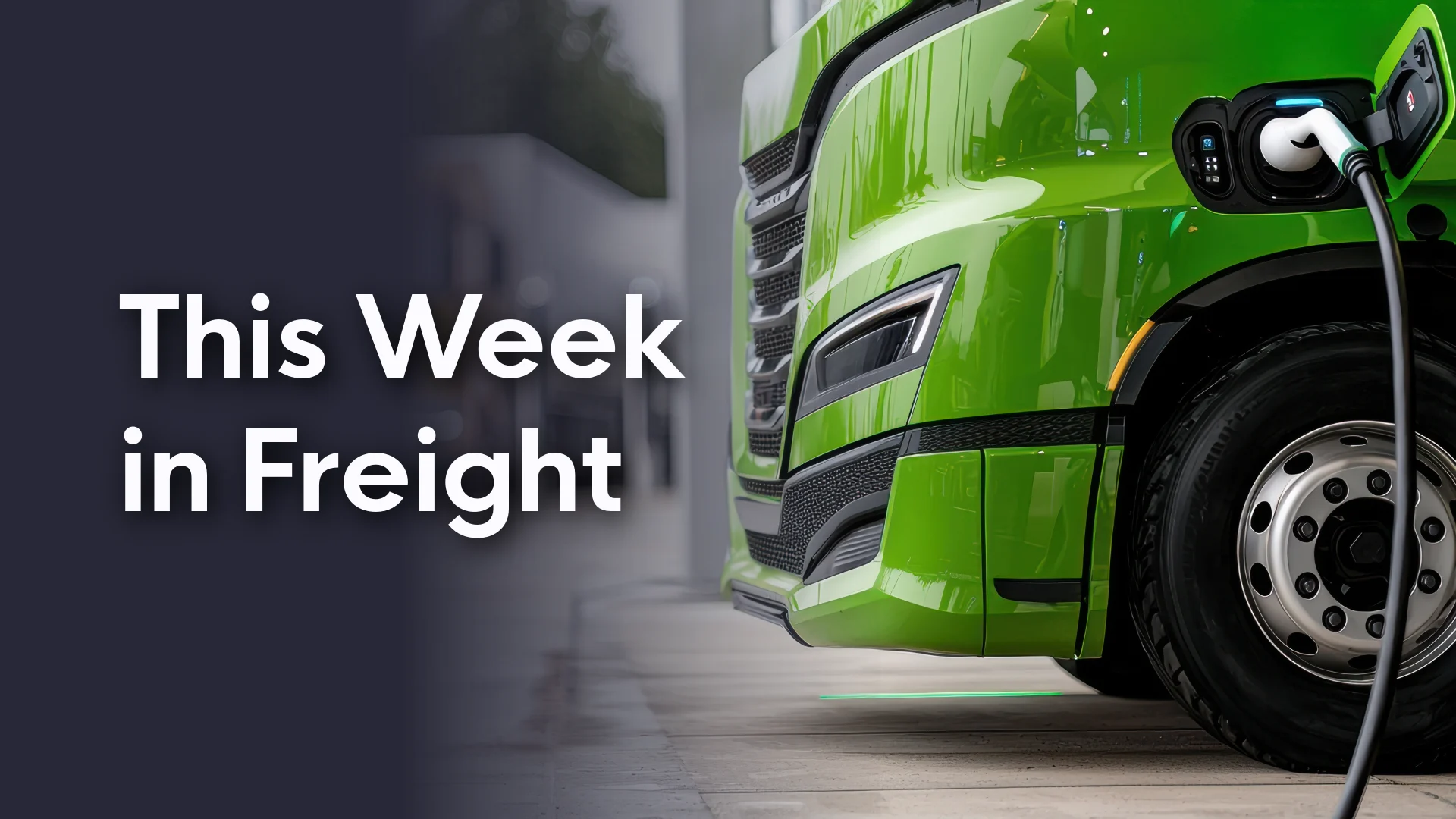
The government has announced a major boost for fleet electrification, cutting the upfront cost of electric lorries by up to £120,000 through an expanded Plug-in Truck Grant.
Backed by £18m in new funding, the scheme supports vehicles from 4.25 tonnes right up to the heaviest HGVs, helping operators bridge the gap between diesel and electric.
The move sits within a wider £318m green freight plan and comes alongside a consultation on phasing out non-zero-emission HGV sales by 2040 — giving fleets more certainty to plan ahead.
→ See who’s eligible and how much you could save.
🚛 Abnormal loads: know the limits

Moving wide or abnormal loads isn’t just about size — it’s about planning, permissions and precision.
Once a vehicle exceeds standard width, weight, length or height limits, operators must follow strict UK rules designed to protect infrastructure, road users and operator licences.
Our latest guide breaks down the key thresholds, explains how STGO categories work, and clarifies when notifications, escorts and police involvement are required. It also covers route planning, marking and lighting, load security, and the paperwork drivers must carry.
Get it wrong and you risk delays, fines or enforcement action.
🌍 New EU freight rules hit in 2026

From mandatory digital border systems to carbon charges and tougher customs controls, 2026 marks a turning point for European road transport.
New requirements like France’s ELO logistics envelope, full ICS2 import controls, CBAM carbon costs and updated export systems are already changing how cross-border freight operates. Carriers now carry greater responsibility for data accuracy, emissions reporting and compliance — with delays and financial penalties for those unprepared.
This analysis explains what’s live, what’s coming next, and how operators should respond to stay competitive.
→ Find out what you need to prepare for now.
Also worth a read
- 📦 The post-Christmas “Q5” period can unlock new haulage opportunities, from handling returns to supporting January sales, if fleets plan ahead and adapt quickly.
- 🚧 Major disruption is expected on the M6 near Penrith as Network Rail replaces the Clifton bridge, with full motorway closures, long HGV diversions and months of ongoing works.
- 🤖 New research shows AI has moved from pilot projects to everyday warehouse operations, with most sites now using automation to boost productivity, accuracy and resilience.
- 🚔 A Scottish haulage worker has been jailed after using company vehicles to traffic large quantities of cocaine, highlighting the risks of criminal exploitation within transport operations.