Choosing the right truck brands for your fleet shapes cost, reliability, and how your business performs on busy UK roads. A strong truck manufacturer helps you control downtime, support drivers, and stay ahead of new transport rules.
In this guide, we’ll compare the main lorry manufacturers operating in the UK and explain how each one fits different transport operations. We’ll also share clear guidance on cost, servicing, powertrains, and what to check before choosing a model for long-term use.
What we’ll cover
Fleets, bookings, subcontractors, compliance & payments.
With HX, you can manage them all in one place.
What matters when choosing truck brands in the UK
The right truck brand supports your daily work, not just your long-term plans.
Operators look at servicing coverage, running cost, safety, and compliance before committing to any model.
Uptime and servicing
Uptime has a direct effect on customer commitments. A good support network helps you avoid delays, missed slots, and lost revenue.
When deciding between truck brands, you should check:
- Distance to approved workshops
- Parts availability
- Breakdown response
- Access to night or weekend servicing
Reliable support from the lorry manufacturer also helps you maintain a strong compliance record during DVSA inspections.
Fuel and running cost
Fuel remains the biggest pressure on budgets. Even small improvements matter over the life of a vehicle.
When deciding between lorry brands and models, you should look at:
- Real-world diesel performance
- Tyre choice
- Drivetrain efficiency
- Weight
- Aerodynamics
Fuel also links to emissions. Many fleets track their environmental footprint, which is why HGV carbon output now influences buying decisions for long-term contracts.
Driver comfort and safety
Drivers perform better when they work in a comfortable cab. Good layouts reduce fatigue, and stable handling builds confidence during long shifts.
Safety systems add another layer of protection. Modern ADAS tools help drivers avoid hazards, stay alert in traffic, and handle sudden events on busy roads.
Compliance
Compliance rules affect everything from access to city centres to contract requirements. Trucks that meet these rules early help fleets avoid penalties and save time.
When deciding between lorry manufacturers, you should consider:
- Euro 6(e) standards
- ULEZ access
- Conspicuity markings and safety visibility rules
- Future emissions targets
Some also review how different models affect their record under the operator licence, especially when managing multiple depots.
Costs play a part too, so topics like HGV road tax and long-term budgeting often shape the final decision.
The leading truck brands in the UK and where they fit best
Choose the badge that fits the job, not the marketing line.
Below is a practical look at how each major truck manufacturer performs in real UK operations, so you can match strengths to the work you actually run.
Scania
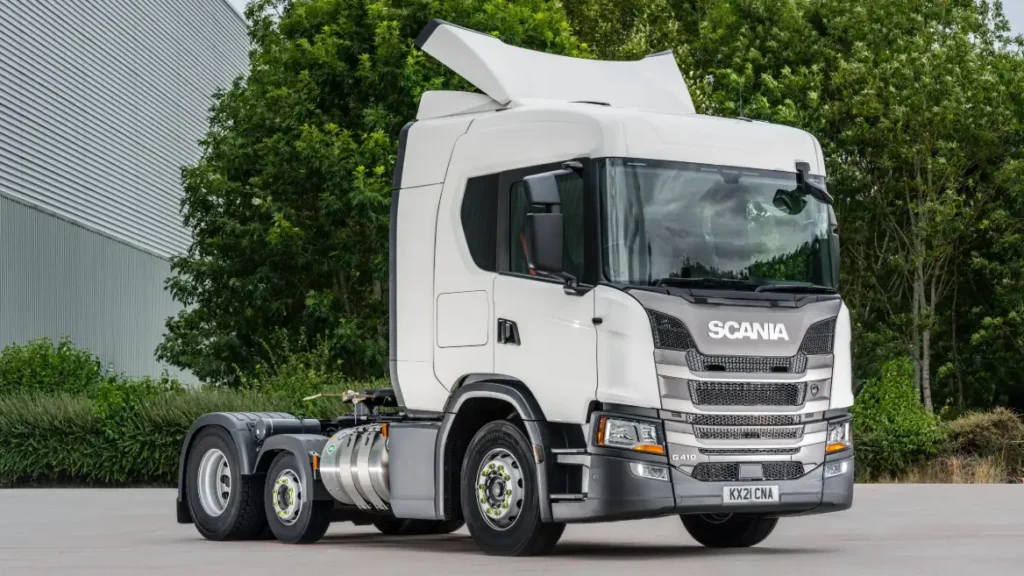
Scania is known for fuel-efficient long-haul performance. It suits operators who run high-mileage motorway work or predictable trunking routes.
Drivers value Scania for comfort and visibility. Both help reduce fatigue during extended shifts.
Scania’s aerodynamic cabs and predictive systems support strong fleet fuel efficiency, which helps cut long-term running cost.
Volvo Trucks
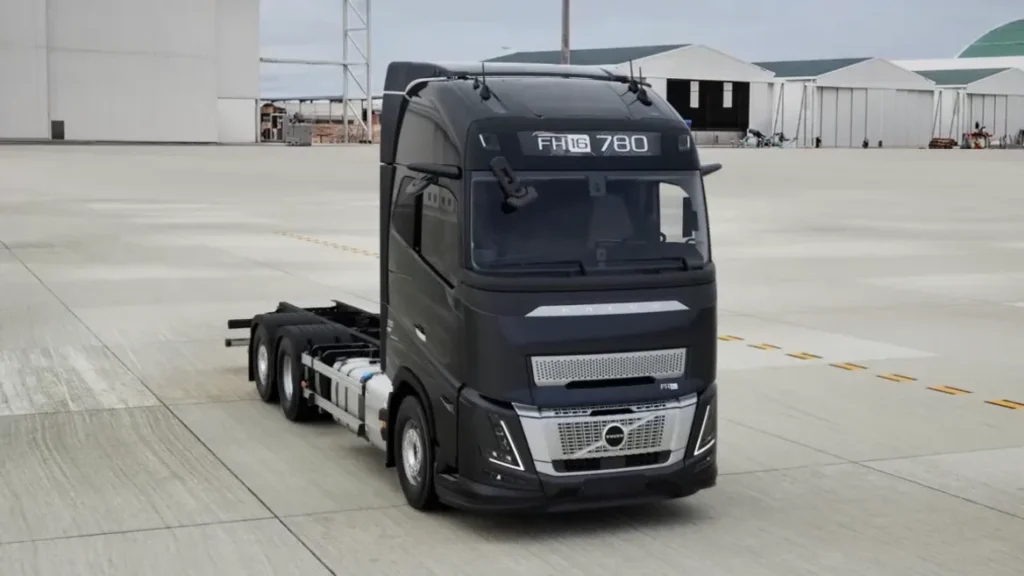
Volvo offers a balanced range of diesel, gas, and electric models. The FH covers long-haul work, while the FE and FM ranges suit regional and urban deliveries.
Safety tech is a standout feature. Volvo’s tools support drivers in traffic, on tight corners, and in low-visibility conditions. This makes it a common choice for fleets focusing on safety performance.
Mercedes-Benz Trucks
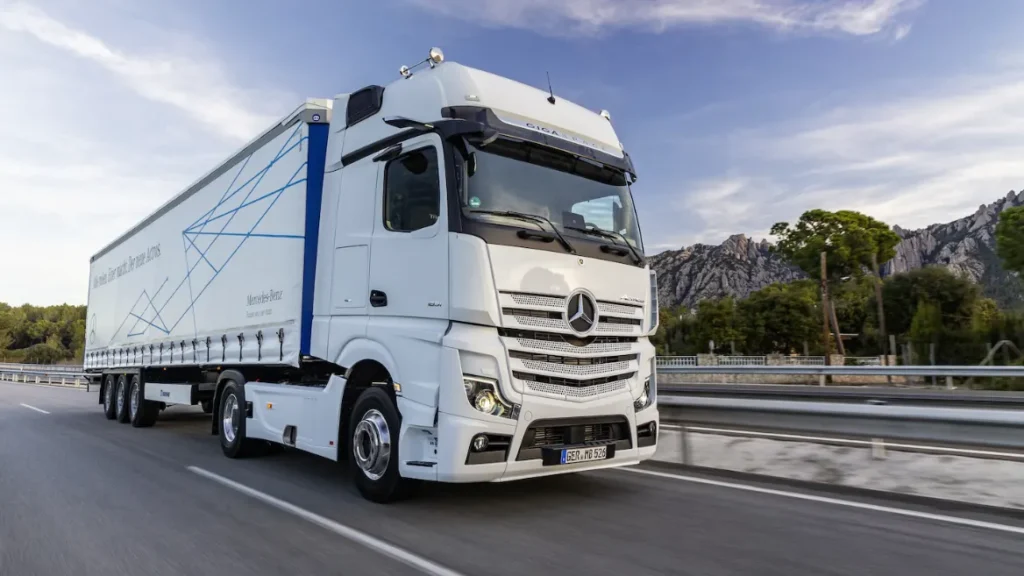
Mercedes works well in cities and busy regional areas. Its cab layouts offer clear visibility, and its safety systems help drivers manage hazards in tight urban streets.
The eActros supports fleets running short delivery routes with depot charging. Operators that handle multi-stop deliveries or city contracts often prefer Mercedes for its comfort and predictable servicing.
DAF
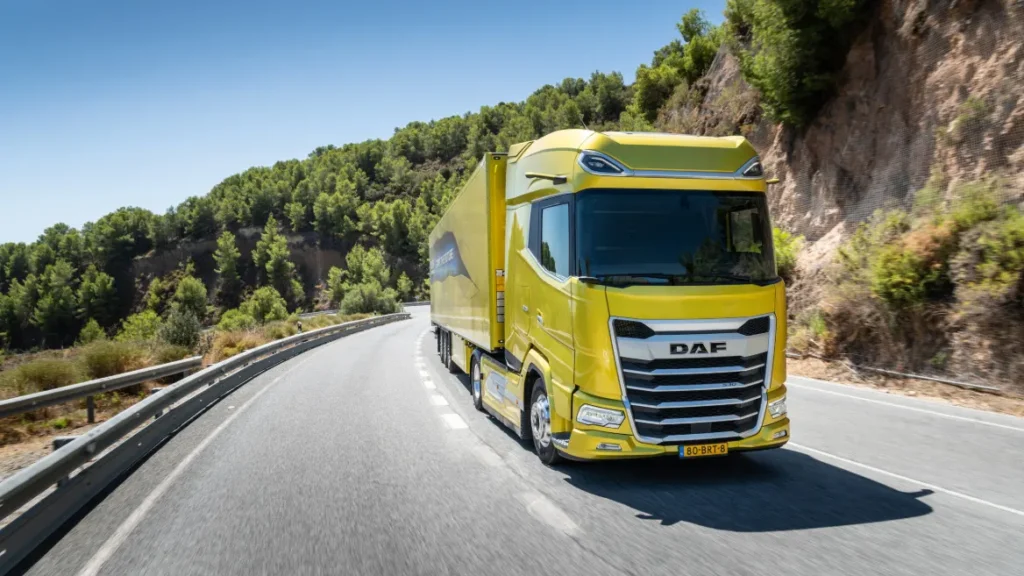
DAF offers one of the strongest servicing networks in the UK. This matters for operators with depots in different regions or fleets working across multiple counties.
DAF suits general haulage, regional distribution, and multi-driver operations. Its cabs offer simple layouts that work well for varied use.
MAN
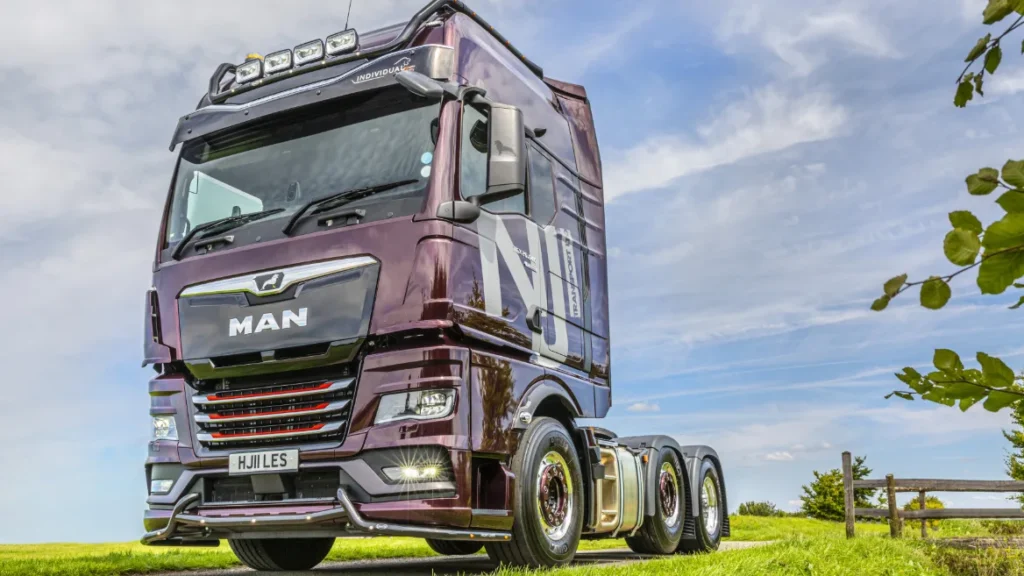
MAN suits fleets running mixed operations. The TGX and TGM ranges offer comfortable cab layouts and predictable fuel use.
MAN supports a wide range of body types, which makes it useful for construction, waste, tanker, and regional distribution work. This flexibility helps operators that run mixed-duty schedules.
Matching truck types to UK transport operations
Selecting the right model matters as much as selecting the right truck brand.
UK fleets rely on three main truck types to cover long-haul, regional, and vocational work.
Tractor units (4×2 and 6×2)
Tractor units handle the heaviest loads in UK haulage. They support 44-tonne operations under lorry size regulations and work best for trunking, container movements, pallet networks, and supermarket deliveries.
Rigid trucks (7.5t to 26t)
Rigid trucks support regional deliveries, municipal duties, and food service work. Many new drivers start with these vehicles as part of their path to become a HGV driver, especially in urban and multi-drop roles.
Vocational trucks
Vocational operations rely on specialist chassis for tippers, mixers, waste vehicles, and recovery trucks. These vehicles handle varied body types and higher stress levels.
Discussions about future regulations and combinations often reference longer heavier vehicles (LHVs), especially for vocational roles with specialist payload demands.
Powertrains: diesel, gas, BEV and alternative fuels
Powertrain choice shapes your fuel strategy and future planning. Each option supports different types of UK routes.
Diesel
Diesel remains dominant for long-distance work because of range and reliability. Many fleets now use compatible renewable blends such as HVO biofuel to reduce emissions while keeping existing routes unchanged.
Electric
Electric trucks work well on predictable urban and regional routes. Depot charging fits these patterns because the truck returns to base after each shift.
Electric models run quietly, which suits night-time delivery windows.
Gas and hybrid
Gas trucks work well on fixed routes with access to refuelling points. They offer lower emissions for operators running closed-loop deliveries.
Hybrids serve a small part of the market, mostly for urban operations. Availability varies widely by truck brand.
Future alternatives
Hydrogen development continues, and test units appear more often across Europe. These models could suit heavier long-distance work in the future.
Sustainability planning in the sector aligns with long-term frameworks such as EBMPS, which guide operators on environmental targets and fleet transition planning.

Operating costs and lifecycle value
Operating cost shapes long-term fleet decisions. It affects fuel spend, repair planning, driver satisfaction, and resale value.
Fuel use and long-term running cost
Fuel performance differs by model and route type. Tractor units covering long-haul work show the clearest gaps in mpg. Even small improvements matter when trucks run hundreds of miles each day.
Fleets replacing older or used HGVs usually gain improved fuel returns, cleaner emissions, and more predictable servicing patterns. These gains support better planning for contracts that demand tight delivery windows or strong environmental performance.
Consistent fuel performance also stabilises margins in sectors that hold seasonal fluctuations or operate under fixed-rate agreements.
Maintenance and downtime
Reliable maintenance support helps fleets control downtime and avoid unexpected delays. Operators look for dependable workshop coverage, good parts availability, and predictable repair times.
Telematics helps here. Many fleets use connected data to plan inspections, track component wear, and monitor engine performance. These tools support better fleet management, especially when operating mixed fleets across several depots.
Good support also protects drivers, who rely on consistent vehicle performance to complete their shifts safely and without disruption.
Warranty and resale
Warranties protect operators from unexpected mechanical costs. Some extend them across driveline or full-vehicle coverage to keep budgets stable during slower periods.
Resale value shapes long-term cost. Higher-value truck brands help operators recover more when selling or trading in older models at the end of a contract.
Finance agreements also influence planning. Operators often review warranty coverage, residual value, and length of ownership when securing HGV finance, especially for fleets that refresh vehicles every few years.
A simple process to shortlist the right truck brands
Choosing the right vehicle starts with understanding how each model fits the work you handle. This simple process helps operators compare options clearly and make informed decisions.
Step 1: Match routes to vehicle types
Your main route structure shapes your buying decisions. Long-distance fleets need stable mpg and driver comfort. Regional fleets need flexibility. Vocational fleets need durable chassis that handle higher stress and site access.
Understanding route patterns helps operators avoid mismatched vehicles that cost more to run or maintain.
Step 2: Compare whole-life cost
Whole-life cost includes fuel performance, maintenance, warranty, and resale value. This view gives a clearer picture than relying on purchase price alone.
Analysing these costs together helps operators build stable budgets and avoid surprises later in a truck’s lifecycle.
Step 3: Gather driver and workshop feedback
Drivers offer real insights on comfort, handling, and fatigue. Workshop teams understand servicing patterns, part availability, and long-term reliability trends.
Collecting feedback from both groups gives a more complete view of how each model performs across daily operations.
Step 4: Trial before buying
Most truck brands offer demo vehicles. Testing them on real routes helps you compare mpg, comfort, visibility, and drivability.
These trials highlight differences that don’t always show up in spec sheets or brochures.
Step 5: Check compliance fit
Compliance influences long-term performance. Trucks must support emissions rules, safety requirements, and reliable maintenance records.
This is where reliable servicing helps fleets stay on track during DVSA inspections, as well as new visibility and emissions rules across major cities.
Final thoughts
Choosing the right truck brand helps fleets protect uptime, manage fuel spend, and improve the driving experience. The best options balance reliability, comfort, and predictable servicing. Each lorry manufacturer offers something different, so the right choice depends on your routes, the type of work you handle, and your long-term plans.
By reviewing servicing coverage, comparing whole-life cost, and trialling models on real routes, operators can choose truck types that support stable margins and strong performance across the year.
A structured approach makes the decision easier, especially as technology, emissions expectations, and business pressures evolve. Pick the lorry brand that aligns with your operation today and gives you the flexibility to adapt in the years ahead.
Frequently asked questions
Which truck brands are most reliable?
Scania, Volvo, Mercedes, DAF, and MAN all deliver strong reliability when serviced correctly. Reliability depends on route type, maintenance access, and how the vehicle is driven.
Are electric trucks suitable for long-distance work?
Electric trucks work best on regional and urban routes with predictable distances and depot charging. Long-distance operations still lean toward diesel until charging networks expand.
What affects running cost differences between brands?
Fuel performance, servicing patterns, tyre selection, and residual value all influence running cost. Driver behaviour also shapes long-term fuel use and component wear.
Which brands offer the best servicing coverage?
DAF has wide coverage across the UK. Mercedes, Volvo, Scania, and MAN also support service networks along major transport corridors and near key industrial hubs.
How should operators test new trucks before buying?
Use demo vehicles on real routes, compare mpg results, and gather feedback from both drivers and workshop teams. This helps confirm comfort, handling, and operating cost before committing.