Welcome to This Week in Freight, your go-to source for the latest haulage and road freight news and advice in the UK.
This week, Nestlé, PepsiCo and IKEA are calling on Brussels to set binding rules that would force logistics operators to adopt zero-emission trucks — arguing that only hard targets will unlock the scale of investment needed in fleets, charging and grid capacity.
Back in the UK, we break down the essentials of Driver CPC training — from hours and renewals to costs, exemptions and penalties.
And the RHA is demanding urgent reform of the UK’s stowaway penalty system, which can see hauliers fined £10k per migrant even when all precautions are taken.
Plus, rising pump prices, London’s congestion charge hike, Tesco’s biomethane fleet, and the latest fleet electrification pilots.
All that and more in this week’s edition of TWIF.
⚡ Giants demand EU truck electrification
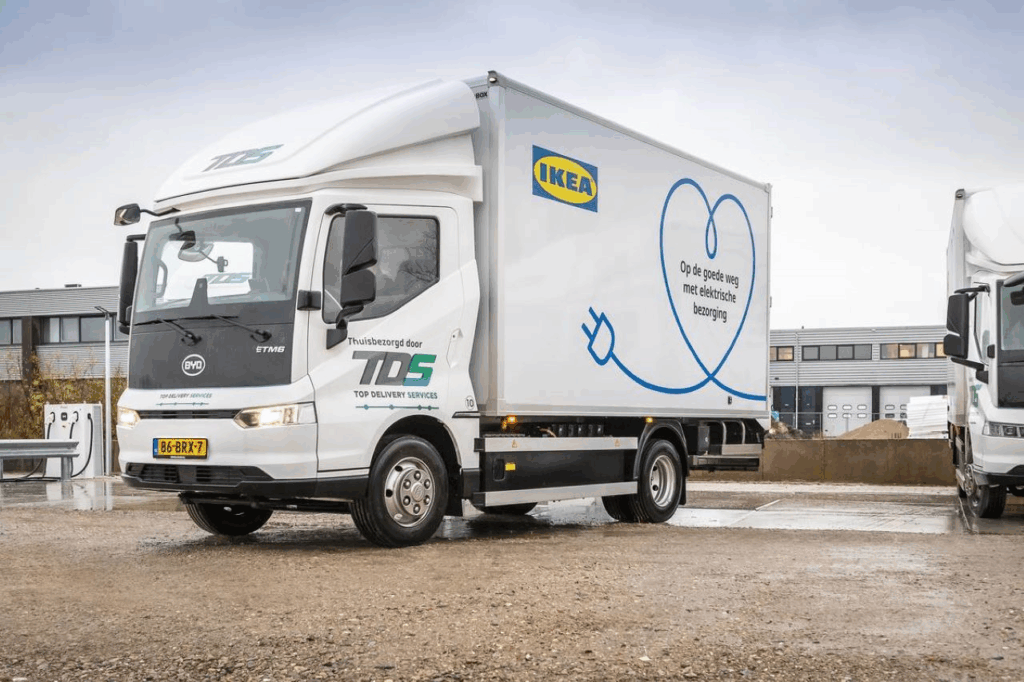
Nestlé, PepsiCo, IKEA and EDF have urged the EU to set binding rules forcing large shippers to switch to electric trucks.
They argue only clear targets will unlock investment in vehicles, charging networks and grid upgrades.
With proposals for 75% zero-emission fleets by 2027 and 100% by 2030 on the table, pressure is building on Brussels to act quickly.
📚 Stay compliant: CPC hours explained

Driver CPC training is a legal must for all UK HGV and PCV drivers — covering 35 hours every five years, with strict rules on courses, renewals, and exemptions.
Our new guide explains everything: from initial vs periodic CPC, costs and funding, to penalties for non-compliance.
Whether you’re new to haulage or experienced behind the wheel, staying on top of CPC is essential.
💷 RHA slams stowaway penalty scheme
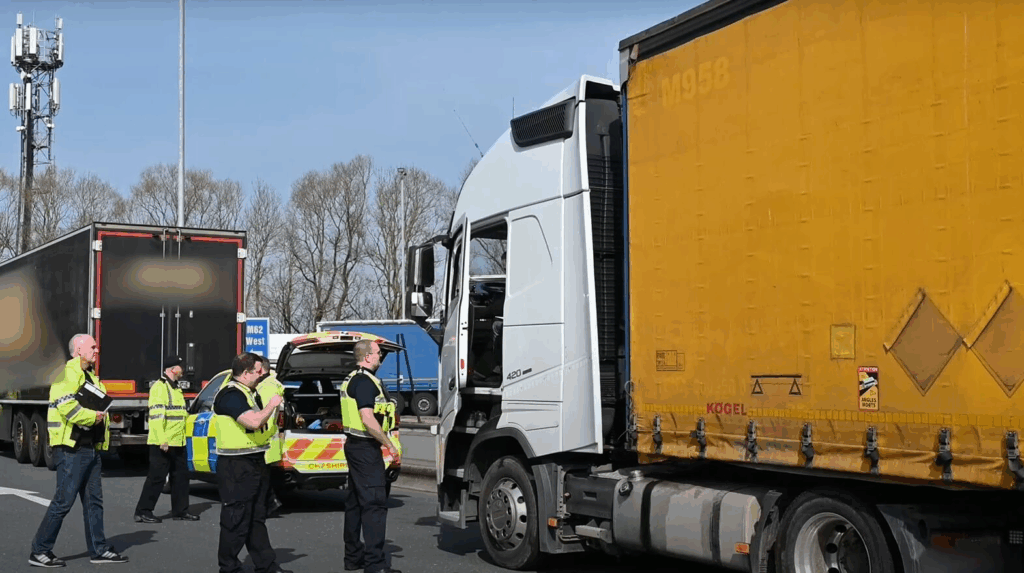
Hauliers say the UK’s stowaway penalty system is “too rigid” — punishing drivers even when security checks are followed.
With fines of up to £10,000 per migrant, the Road Haulage Association argues the scheme unfairly targets compliant operators.
The RHA’s report warns of supply chain risks as EU hauliers avoid UK routes, and calls for urgent reform and stronger EU cooperation.
🚛 Inside HX: Tech, trust & the future of road haulage

Haulage Exchange isn’t just about filling empty miles anymore — it’s become a full logistics suite helping fleets cut admin, improve compliance and get paid faster.
On the HGV1 trucker’s radio, Mat Callander, Head of Growth for Europe, explains how HX connects hauliers, verifies carriers with Trustd, and streamlines payments with SmartPay. He also shares HX’s plans for European expansion and EV-ready fleets.
→ Listen to the full HGV1 episode on Spotify here.
Also worth a read
- 📦 Shippers are facing new pressures as Trump tariffs redirect low-cost ecommerce cargo from the US to Europe.
- 🤖 A new AI system aims to slash bridge strikes, using smart cameras and GPS to warn lorry drivers before impact.
- 🚦 London’s Congestion Charge could rise to £18 a day from 2026, with EVs set to lose exemptions.
- ⛽ Pump prices crept up again in September despite no change in oil costs, according to RAC Fuel Watch.
- 🔋 Charging time for e-trucks has sparked debate in Europe — should it count as rest or working hours?
Movers & shakers
Here are this week’s big developments across road haulage:
- 🎉 Family-run Haulways is celebrating 45 years as the next generation takes charge of the Oldbury-based haulier.
- 🌱 AkzoNobel has deployed electric trucks and an HVO fleet with XPO, cutting vehicle emissions by over 50%.
- ⚡ Leyland Trucks has expanded BEV production after £5.1m automation and digitalisation project.
- 🔌 Stagecoach Midlands and VEV have delivered the first electric HGV charge at a Nuneaton depot, opening shared EV infrastructure.
- 🚛 Tesco has rolled out 42 low-carbon biomethane trucks in Scotland, saving 6,473 tonnes of CO2e a year
Interested in adding HGV charging to your depot or yard? Check out our guide to depot charging grants available from the government.